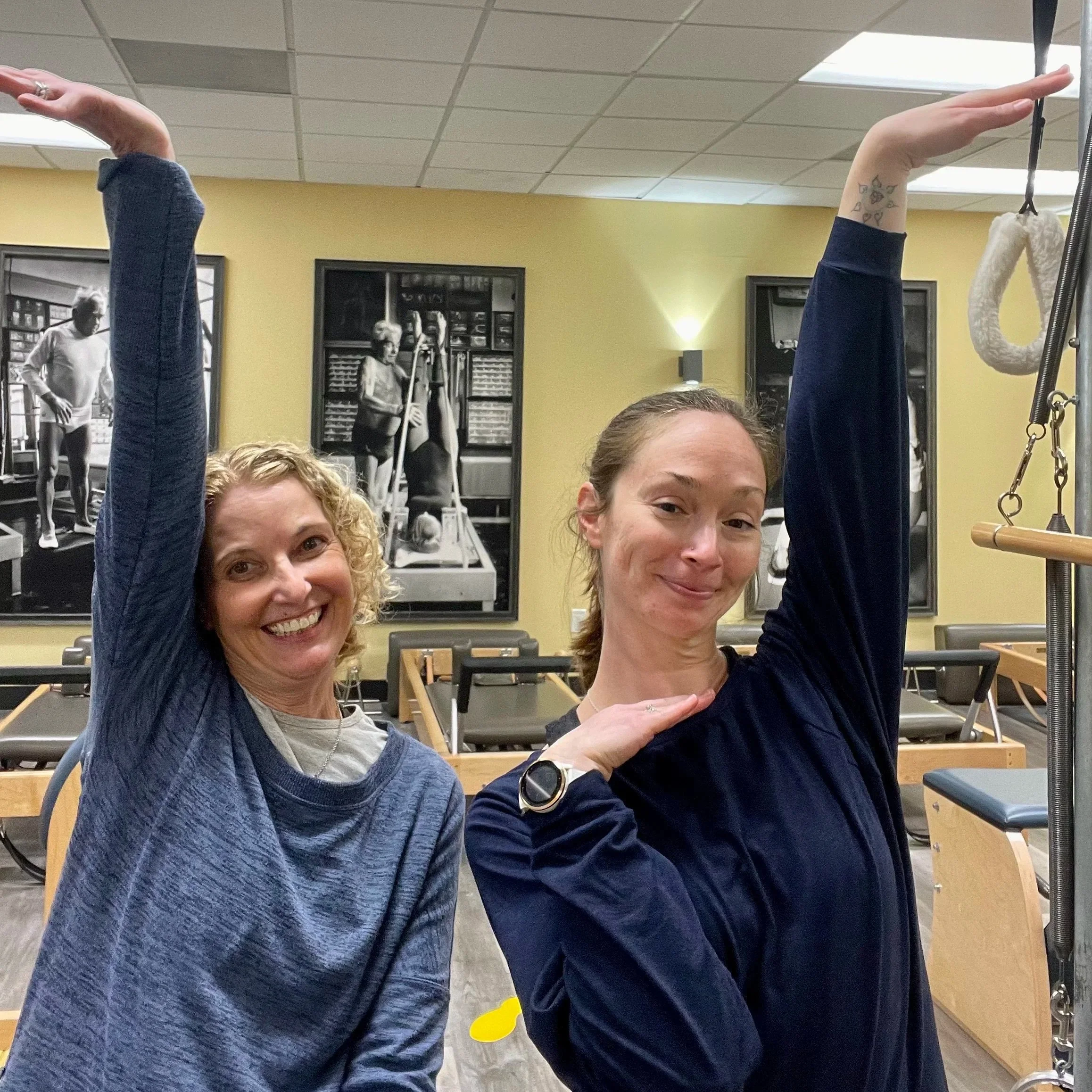
Pivot Your Cueing: Group Cues vs. Private Teaching
In the rapidly evolving landscape of the Pilates world, the "Reformer Fitness" boom has changed how many teachers first encounter the method. For many new Pilates instructors, their entire foundational experience exists within the high-energy, fast-paced environment of a group class. It isn’t until they embark on a fully Comprehensive Teacher Training Program that they are exposed to the "Full System"—and the profound shift in communication required for a private session.
This brings us to a vital question for our teaching community: Is there a functional difference between cueing a group and a private? Can you use the same language for both? And most importantly, how do you shed "generic" habits to truly teach the individual in front of you?
Instruction vs. Education: Defining the Goal
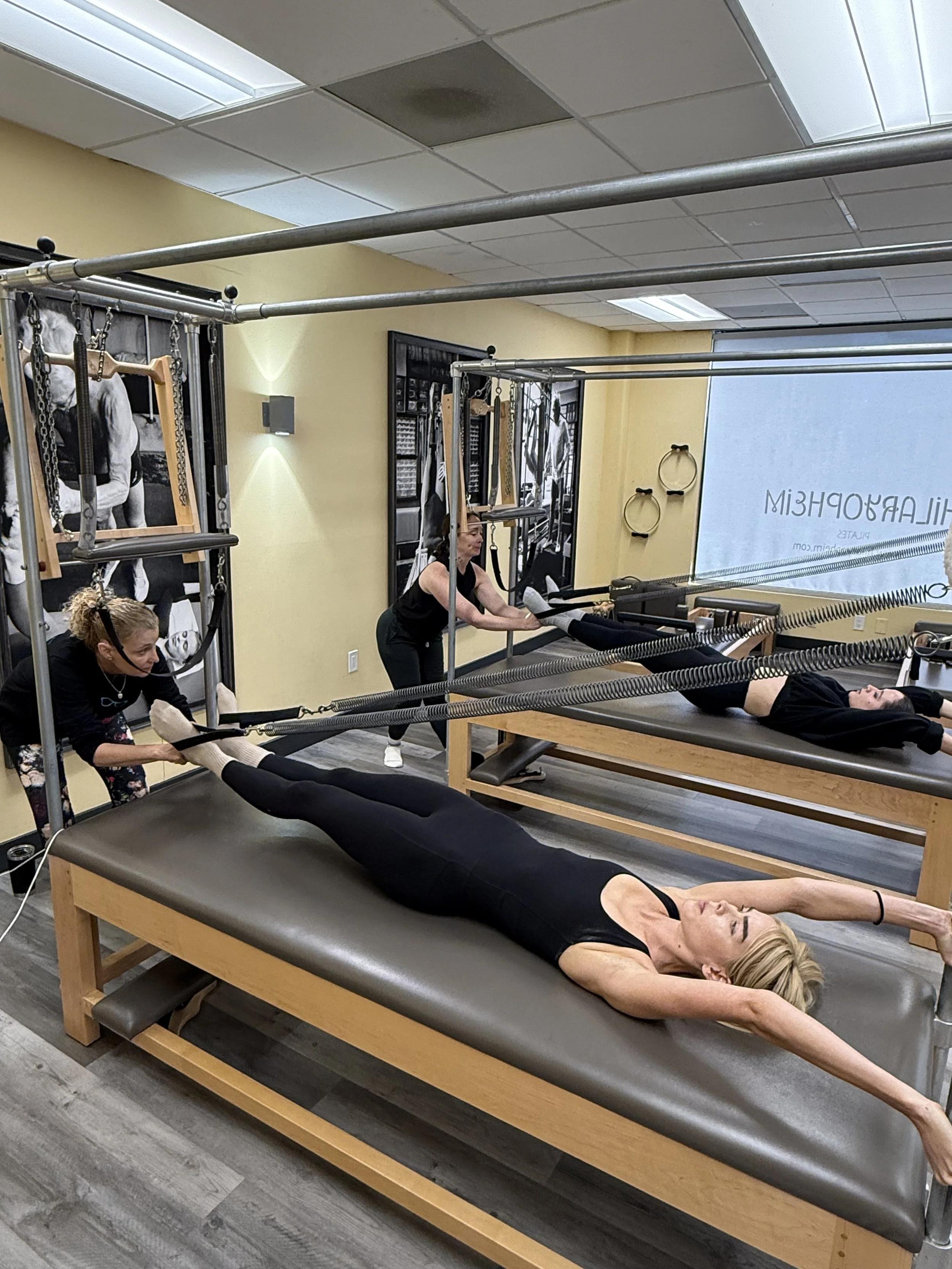
The distinction often comes down to a shift in roles. In a group setting, you are often acting as a Pilates Instructor—directing, timing, and ensuring safety. In a private session, you step fully into the role of a Pilates Teacher, where the goal is to guide, fostering long-term growth and autonomy.
The Group Dynamic: Think of a group class like a flight attendant giving the pre-takeoff safety briefing. The cues must be clear, universal, and accessible so that everyone—regardless of their level—can follow along and get their workout done safely. The goal is to keep the room engaged, focused, and moving in unison.
The Private Connection: In a private, you are immersed in the studio with the client. Your cues must address that specific body, their movement patterns that day, and the challenges they are building over time.
Key Perspective: If a private client hears the exact same generic cues they could get in a $30 group class with no specifics to their unique needs, they will eventually wonder why they are paying for the private. Private teaching is about interaction, deep listening, and developing a practice with the client, not just at them.
Layering Complexity and the Anatomy Trap
One of the greatest tools in a private session is the ability to layer. Once a client masters the choreography, you can layer other ideas such as breath, coordination of movement, opposition, etc. In a group class, this is nearly impossible because the "revolving door" of participants means you are constantly managing different levels of capability and different people week to week.
A Note on Anatomy Cues:
We often see instructors cueing specific muscles: "Squeeze your glutes" or "Fire your abs." In a group setting, this can create more confusion. Everybody "feels" movement differently, and moving from a single body part is rarely how the body actually functions.
In Groups: Stick to "image-based" or "choreographic" cues that keep the flow moving.
In Privates: Anatomy should only become a primary cue if it is truly clinically necessary (such as a client returning from Physical Therapy with specific muscle inhibitions). Otherwise, focus on the movement outcome, extrinsic cues, and action based verbiage rather than the muscle name.
The Energy Exchange: Talking vs. Teaching
The physical toll of cueing also differs:
Group Teaching is high-output. You are talking nearly constantly to maintain the energy and motivation of the room.
Private Teaching requires more silence. Your cues should be simple and clear, giving the client the space to think and listen to what their body is saying. They need time to absorb the work in a quieter, more focused environment.
Beware the "Social Media Noise"
You’ve likely seen the "Steal My Cues" reels on Instagram. While well-intentioned, these are almost always generic instructions. A cue is a living thing—it is specific to that moment, that exercise, and that specific client's struggle.
A cue that works for a client with a hip replacement will not be the "stolen cue" that helps a seasoned athlete find their connection to the movement. True teaching isn't about collecting phrases; it’s about observing the movement and providing the specific tool that connects for that person.
Final Thoughts
Whether you are teaching a group of twelve or a private of one, the "why" behind your words matters. Group classes provide community, rhythm, and flow. Private sessions provide the foundation and the deep-dive education that allows a client to walk into any fitness class and move with confidence and safety.
Which hat are you wearing today: the Instructor or the Teacher?